
CASE STUDY
UWE Wind Tunnel
The Challenge
The University of the West of England (UWE) is developing its wind tunnel facilities to improve performance, enhance understanding of airflow behaviour and support future commercial use.
To support this work, a more detailed understanding of the wind tunnel’s geometry was required. Accurate dimensional information would help inform the development of digital models, computational fluid dynamics (CFD) analysis and future design optimisation.
A key priority was to establish a digital representation of the tunnel to support ongoing engineering improvements and the development of digital twin capabilities.
Our Solution
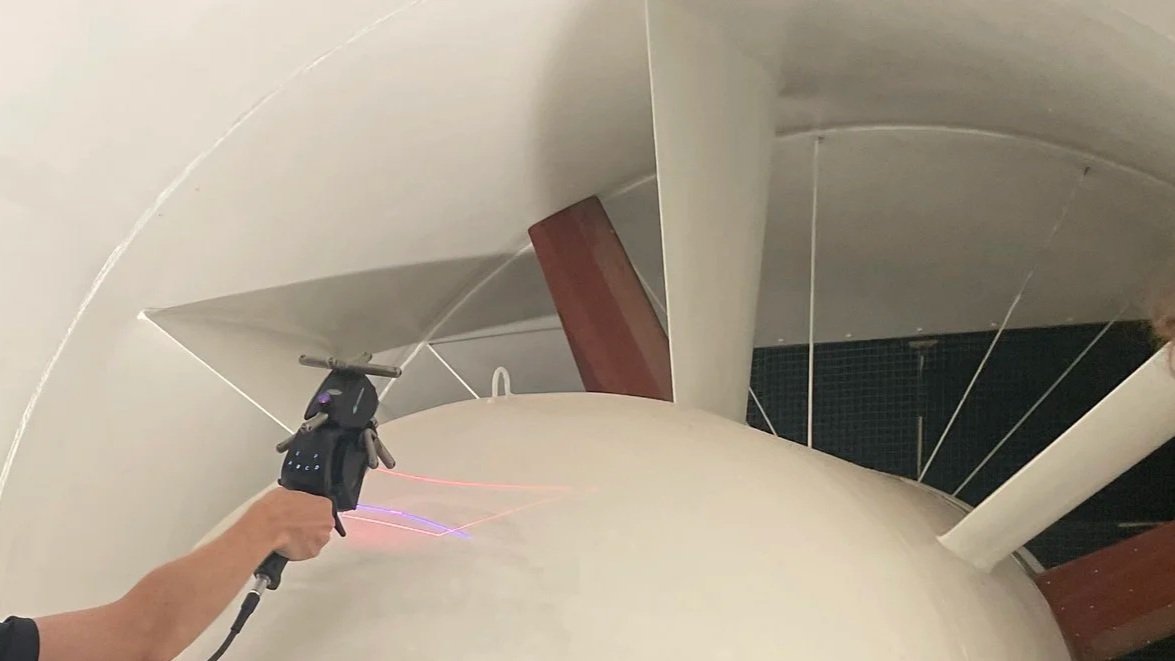
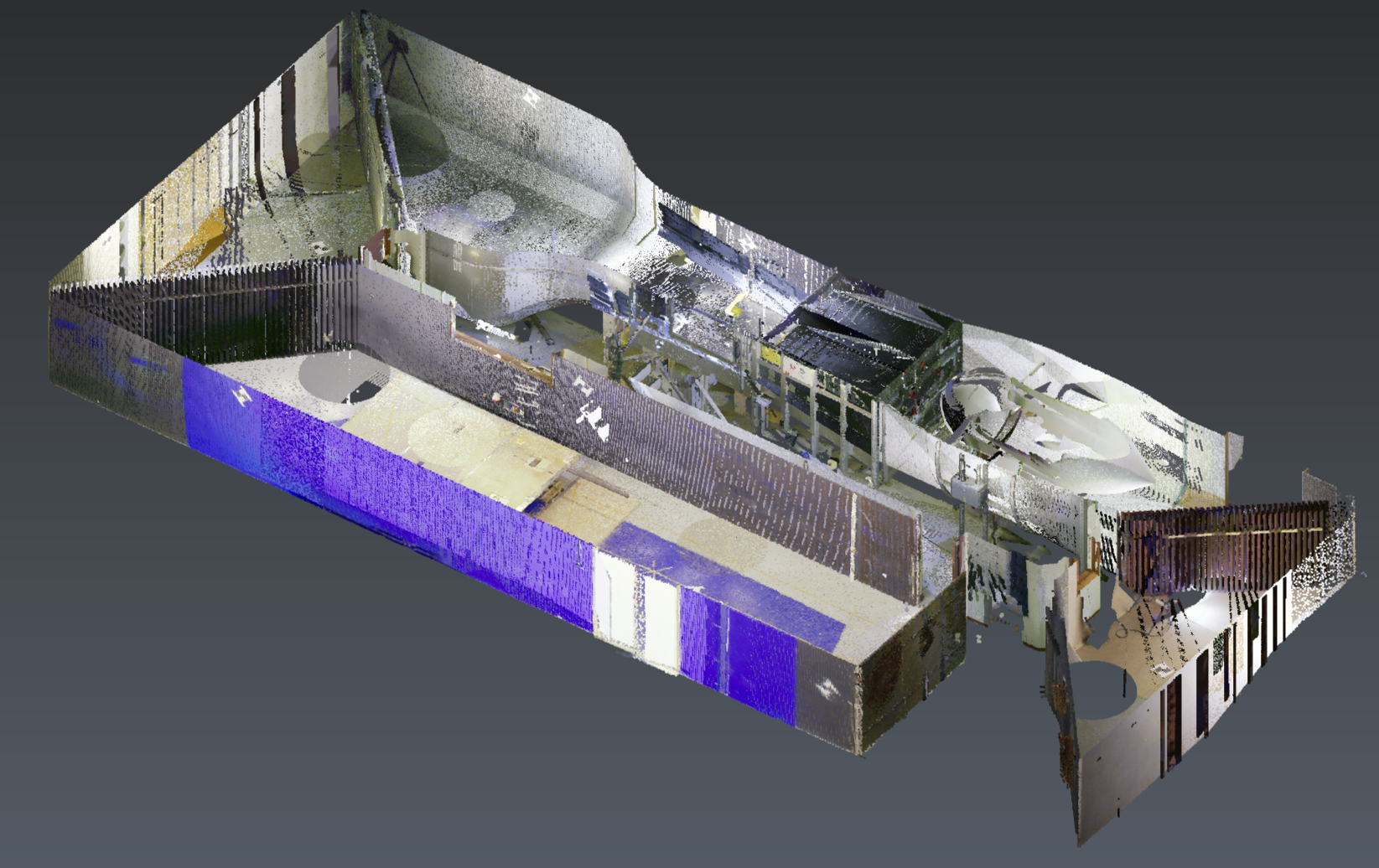
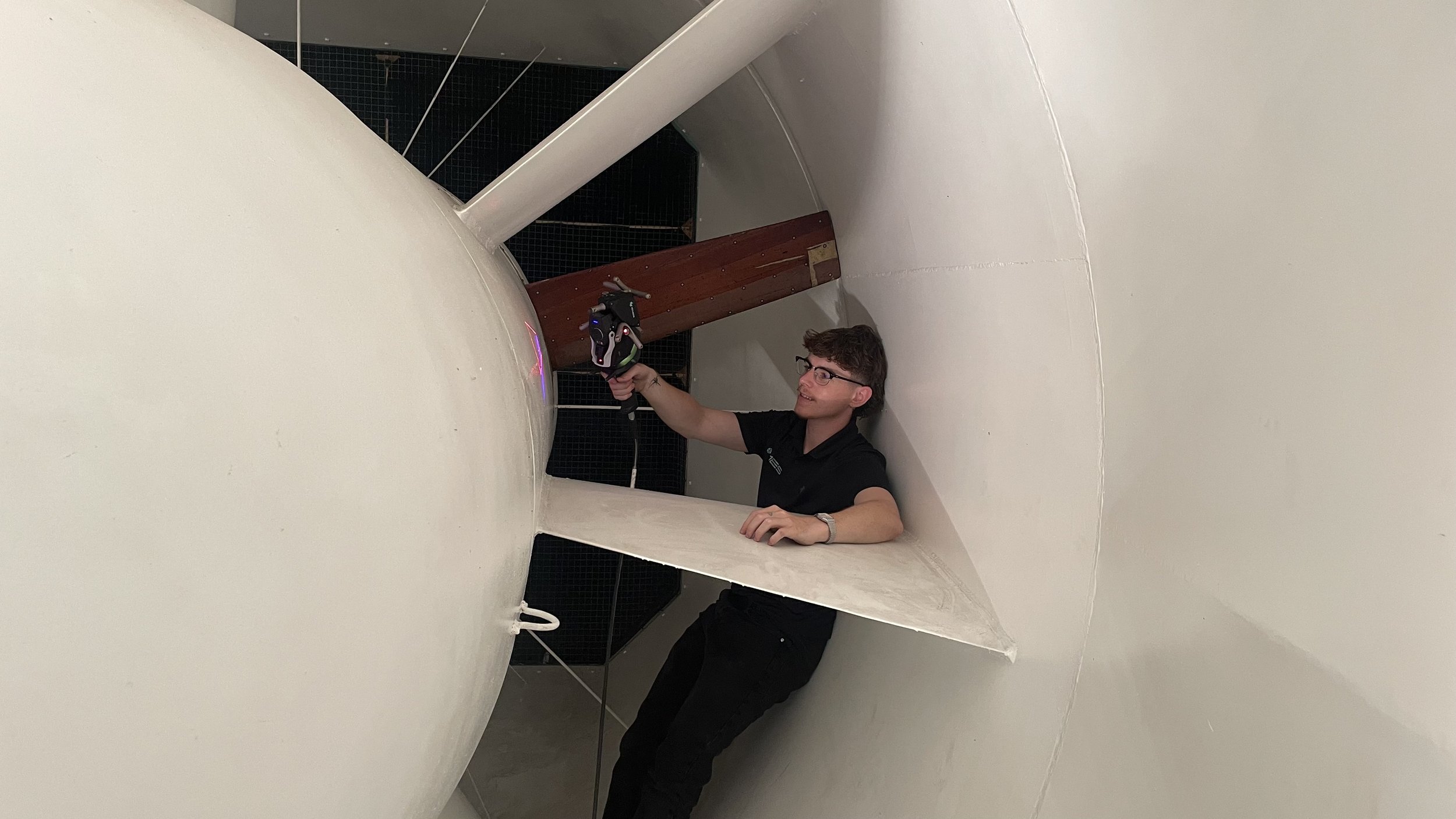
MES carried out a 3D scan of UWE’s wind tunnel, providing detailed dimensional data to support the project’s wider engineering and simulation work.
The scan formed part of a broader programme to develop CAD models of the tunnel sections, investigate airflow characteristics and assess opportunities to optimise the tunnel’s internal geometry.
This work supports UWE’s efforts to better understand flow behaviour, identify areas for improvement and explore design modifications aimed at reducing drag and improving airflow consistency.
The project is helping UWE build a more detailed digital understanding of its wind tunnel, supporting informed engineering decisions and future performance improvements.
Combining 3D scanning with CAD modelling and simulation provides a foundation for continued design optimisation and the development of digital twin capabilities, with the longer-term aim of linking experimental and computational data in real time.
The Outcome
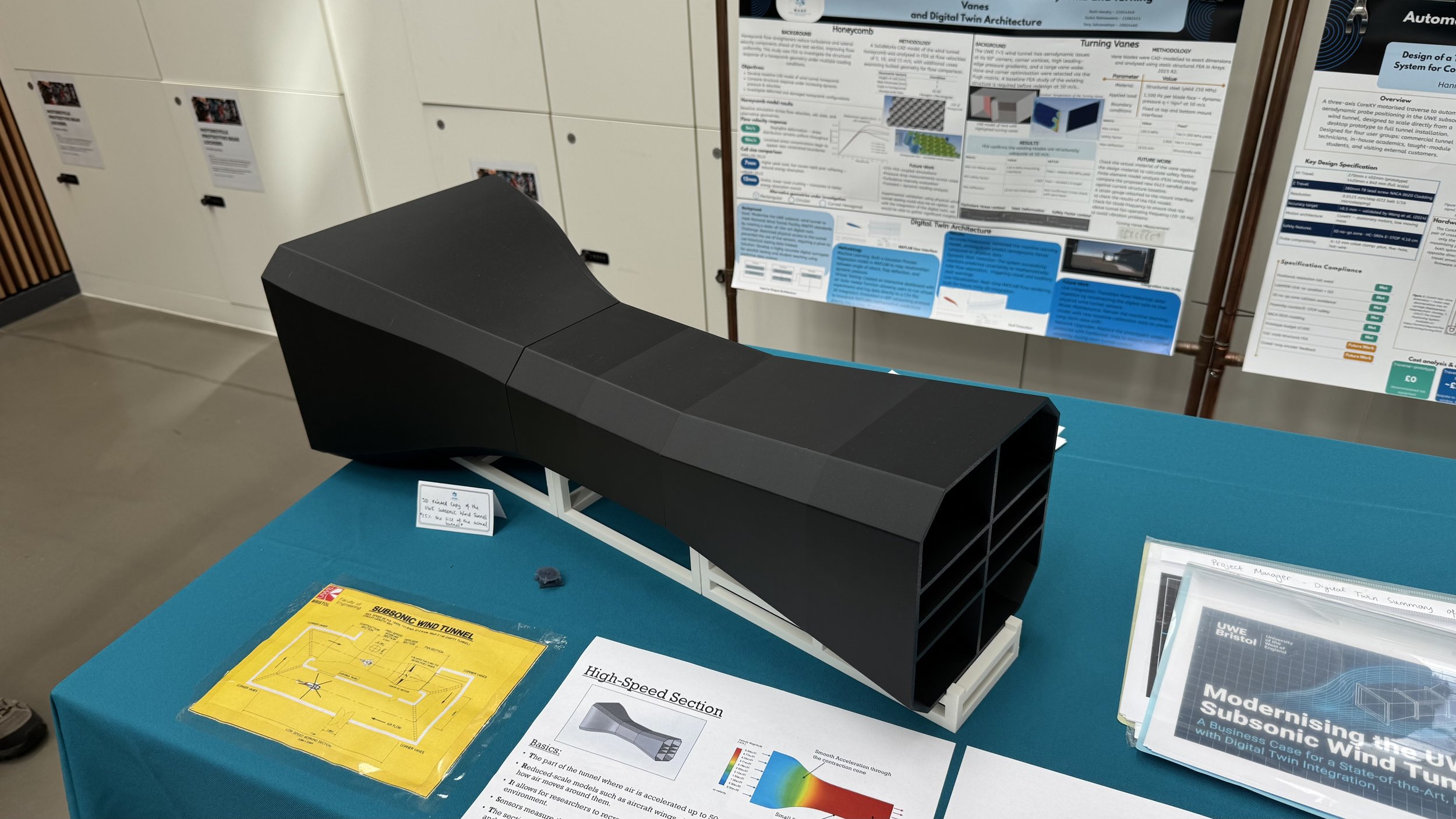

3D Wind Tunnel Scanning
Capturing the wind tunnel's geometry to provide accurate dimensional data.

Digital Model Development
Providing scan data to support CAD modelling of the wind tunnel sections.

Engineering Analysis & Optimisation
Enabling further investigation into tunnel geometry, airflow behaviour and potential design improvements.